

No Compromises. Just Results.
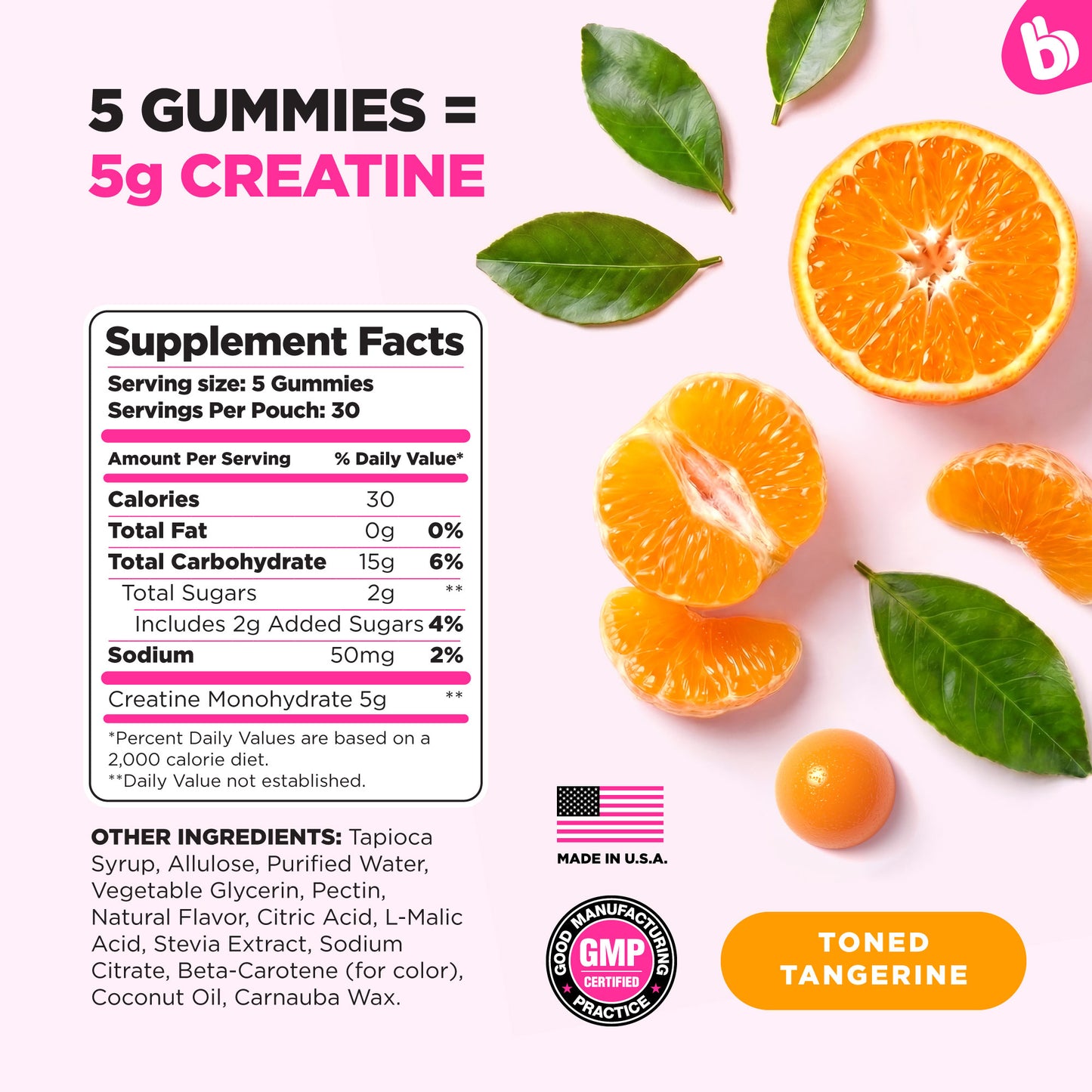
5g creatine monohydrate per serving. Naturally flavored & sweetened with allulose. Vegan, gluten-free, & non-GMO. Made in the USA in a GMP-certified, FDA-registered facility.

Grow Your Glutes or Your Money Back
OMGB Premium Creatine Gummies


The Standard
-
Vegan
100% plant-based formulation.
-

Naturally Flavored
Real fruit flavors. No artificial colors.
-

Naturally Sweetened
Sweetened without refined sugar.
-
Non-GMO & Gluten Free
Free from genetically modified ingredients and gluten.
-

GMP-Manfactured
Produced in GMP-compliant facilities.
-

Keto-Friendly
Sweetened with Allulose. No sdded Sugar.


Creatine Monohydrate: Backed by Decades of Clinical Research
Discover how creatine monohydrate supports your fitness goals with scientifically proven benefits for strength, recovery, and mental clarity.

strength & recovery

shape & tone

focus & clarity
The Real Way Creatine Supports Glute Growth
Creatine for glute growth works best when the expectation is real. Creatine does not
directly target specific muscle groups. It doesn't know whether you trained glutes,
legs, back, or arms. It supports the muscles you train by helping your body produce
quick energy during short, intense efforts.

That matters for glute workouts because growth comes from progressive training. Think hip thrusts, squat lunges, step-ups, kickbacks, and other lower-body
movements that challenge the glute muscles over time. When your training has structure, creatine can support strength, performance, and recovery so you can show up with more consistency.
Creatine won’t exclusively target your glutes, but it can help your glutes grow when paired with smart resistance training, enough food, and proper recovery.
That's the real sweet spot. Not magic. Not hype. Just science, sweat, and a little Becky energy.

For anyone chasing rounder glutes, the goal isn't to take a supplement and hope. The goal is to give your body the support it needs while you keep doing the work. Creatine monohydrate is one of the most researched supplements for strength-based training, and it fits naturally into a routine built around muscle growth, steady effort, and better
workout output.

Why Strength Training Still Runs the Show
Creatine can support the process, but your workout plan still does the heavy lifting. Glute growth depends on training the muscle with enough tension, volume, and effort.

That means your reps should feel challenging, your form should stay controlled, and your plan should give your body a reason to adapt. A strong glute routine usually includes a mix of compound lifts and focused glute movements.
The best creatine for glute growth is not the one with the loudest promise. It's the one you will actually take every day.
Hip thrusts are a favorite because they load the glutes directly. Squats and lunges train the lower body through a larger range of motion. Step-ups, Romanian deadlifts, and cable kickbacks can add more shape-focused work when used with good control.

Creatine supplementation can help support training performance during these repeated efforts. It may help you push through demanding sets, recover between sessions, and keep your workout routine more consistent. That consistency is where visible results usually come from. That's why gummies make sense for so many people. No scooping. No shaker bottle. Just a simple daily dose that fits into your routine.

Trust the Process. Not the Myths.
What About Water Retention?
Water retention is one of the most misunderstood parts of creatine. Some people hear the phrase and assume it means bloating, puffiness, or fake results. In reality, creatine helps pull water into muscle cells, which can support a fuller look in trained muscles.
That doesn't mean creatine creates glute growth without exercise. It also doesn't mean every change you see is body fat or sudden muscle size. Early changes can include extra water stored inside the muscle, while longer-term changes depend on training, protein intake, recovery, and overall consistency.
For glutes, this can be a good thing when the rest of your routine is aligned. A fuller muscle can look more defined, especially when you are training consistently and
supporting recovery. Over time, muscle hypertrophy comes from repeated resistance training and proper nutrition. Creatine simply helps support the performance side of
that equation.
If you're new to creatine supplements, stay patient. Some individuals notice changes
in workout energy or muscle fullness sooner than others.
Real growth takes time.
The goal is not overnight transformation. The goal is a routine you can keep showing
up for.

Strong Glutes Start with Strong Habits.
Fuel, Protein, and Recovery Matter Too
Creatine can support strength and performance, but your body still needs the basics. Glute growth depends on enough training, enough recovery, and enough nutrients to build muscle. Protein plays a major role because it gives your body the building blocks it needs after resistance training.
That doesn't mean you need an extreme diet or a complicated meal plan. It means your body needs steady support. Regular meals, enough protein, hydration, and sleep all matter. A supplement routine works better when the rest of your day isn't working against your goals.
Recovery is especially important for glute training because the muscles need time to repair and adapt. Training hard every day without rest can leave you sore, tired, and stuck. A better way is to train with purpose, rest with purpose, and let each workout build on the last one.
Creatine monohydrate fits into that rhythm because it's simple. BubbleButt Life keeps it easy with 5g creatine monohydrate per serving in a gummy format. That gives you a daily creatine option without mixing powder or forcing down a drink you do not love.
Same routine. More Becky. Less mess.
Healthy First. Stronger Always.
Who Should Be Careful With Creatine?
Creatine is widely used, but it is still a supplement. If you have a medical condition, take medication, are pregnant or nursing, or have been told to monitor kidney health, talk with a healthcare professional before starting creatine supplementation. People with lupus or other autoimmune conditions should ask their doctor or specialist before adding creatine.
That isn't meant to make creatine sound scary. It's simply the right way to handle
supplements when your health history needs extra attention. A healthcare provider can help you decide whether creatine fits your body, your goals, and your current routine.
For most healthy adults, the bigger issue is consistency. Taking creatine once in a while will not do much. Taking more than the suggested dose is not the move either. Follow the product directions, drink water, train consistently, and give your body time to respond.
The Becky way is bold, but it isn't reckless. Stronger confidence starts with a routine that feels good, fits your life, and keeps you moving toward your goals without the drama.
The Habit Behind Better Glutes.
Daily Creatine Made for Glute Days and Every Day
Glute day gets the spotlight, but creatine works best as a daily habit. You don't need to save it only for workout days. The goal is to keep your muscle creatine stores supported over time, so your body has what it needs when training gets tough.
That is where Oh My God Becky Creatine Gummies fit in. They bring creatine for women into a format that feels easy, fun, and routine-friendly.
Each serving delivers 5g creatine monohydrate, with a vegan, gluten-free, non-GMO formula that is naturally flavored and sweetened with allulose.
Use it with a glute plan. Use it with protein. Use it with rest days, leg days, and the days you almost skip but show up anyway. Creatine can help your glutes grow when your training, food, and recovery are all working together.
Rounder glutes. Stronger workouts. A routine that does not feel like a chore. Be like Becky. Take your creatine. Train your ass off.

FAQ - Creatine For Glute Growth
Does creatine help my glutes grow?
Creatine can help support glute growth when it is paired with consistent resistance training, enough protein, and proper recovery. It does not grow your glutes on its own. It helps your muscles produce quick energy during hard sets, which may support better workout performance over time.
For glutes, that means creatine may help you train with more strength and consistency during movements like hip thrusts, squats, lunges, step-ups, and kickbacks. The growth still comes from the training stimulus, food, and recovery.
Which is best for glute growth?
Creatine monohydrate is the standard choice because it's widely studied and commonly used for strength, performance, and muscle support. The best creatine for glute growth is the one you can take consistently as part of your daily routine.
Oh My God Becky Creatine Gummies include 5g creatine monohydrate per serving, which makes daily creatine supplementation simple without powders, scoops, or shaker bottles.
Does creatine grow my glutes without exercise?
No. Creatine does not grow glutes without exercise. Creatine does not directly target specific muscle groups, and creatine won’t exclusively target your glutes.
To build the glute muscles, your body needs resistance training that challenges the muscle over time. Creatine can support the process, but it works best when you are actually training.
Will creatine cause water retention?
Creatine may increase water retention inside the muscle cells. This is one reason some people notice a fuller look after starting creatine supplementation.
That doesn't mean it's adding body fat. It also doesn't mean all visible changes are muscle growth right away. Real muscle hypertrophy or muscle growth takes time, training, protein, and recovery.
What supplements are good for glute growth?
Creatine and protein are two of the most common supplements used to support muscle growth. Creatine supports strength, energy, performance, and recovery during training. Protein supports muscle repair after workouts.
Supplements can help fill gaps, but they don't replace a strong routine. For rounder glutes, focus on training, food, sleep, and consistency first.
Can people with lupus, health concerns and autoimmune conditions take creatine?
People with lupus should talk with their doctor or specialist before taking creatine. The same applies to anyone with kidney concerns, autoimmune conditions, pregnancy, nursing, or medication use.
Creatine is widely used, but personal health history matters. A healthcare professional can help decide whether creatine is a safe fit.